Understanding the Heart’s Electrical Signals
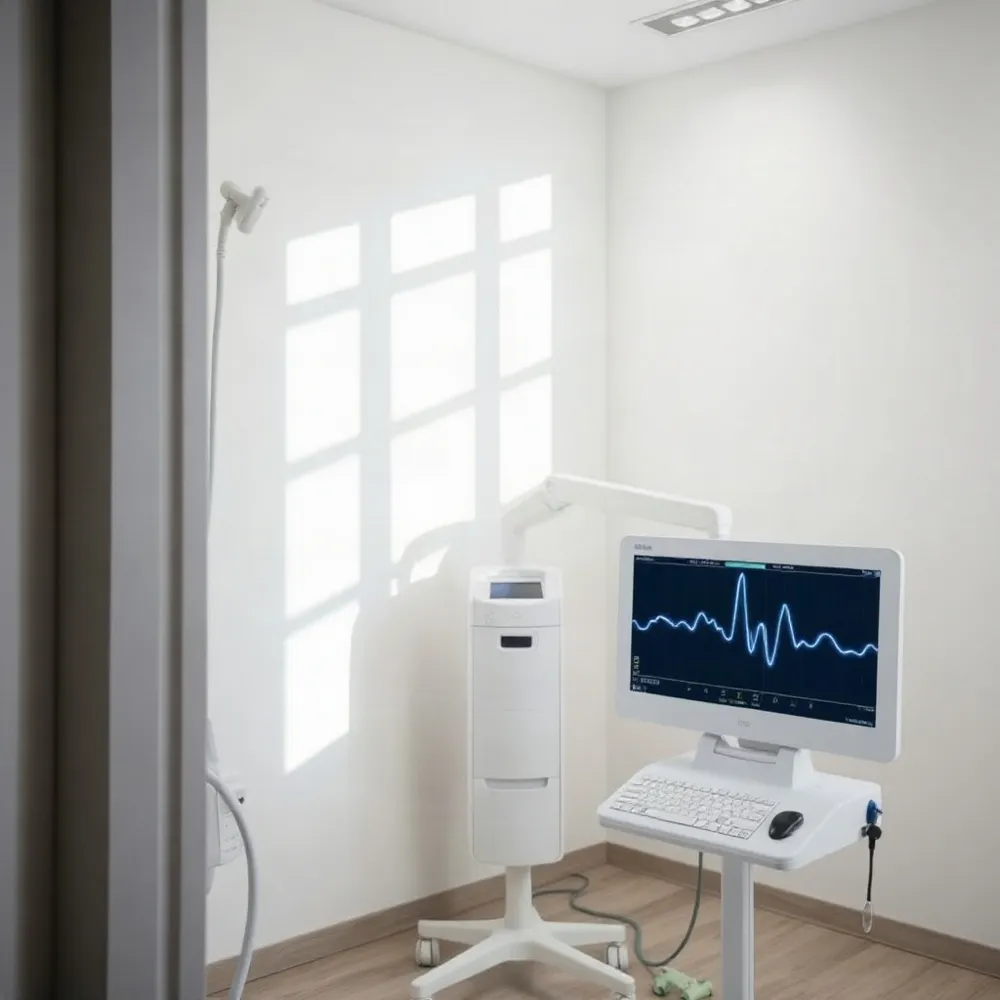
A pediatric electrocardiogram, often called an EKG or ECG, records the electrical signals that guide each heartbeat. Small sensors attached to the skin pick up these signals and create a tracing for a clinician to review. The test is noninvasive and painless, and it does not send electricity into your child’s body.
An EKG can help the care team assess heart rate and rhythm, but it does not answer every question about the heart. At federalwaypediatrics.com, families can discuss how an EKG fits with other pediatric cardiology tests, what prompted the recommendation, and whether follow-up may be needed. Asking questions before the appointment can help you and your child know what to expect.
Why a Clinician May Recommend Testing
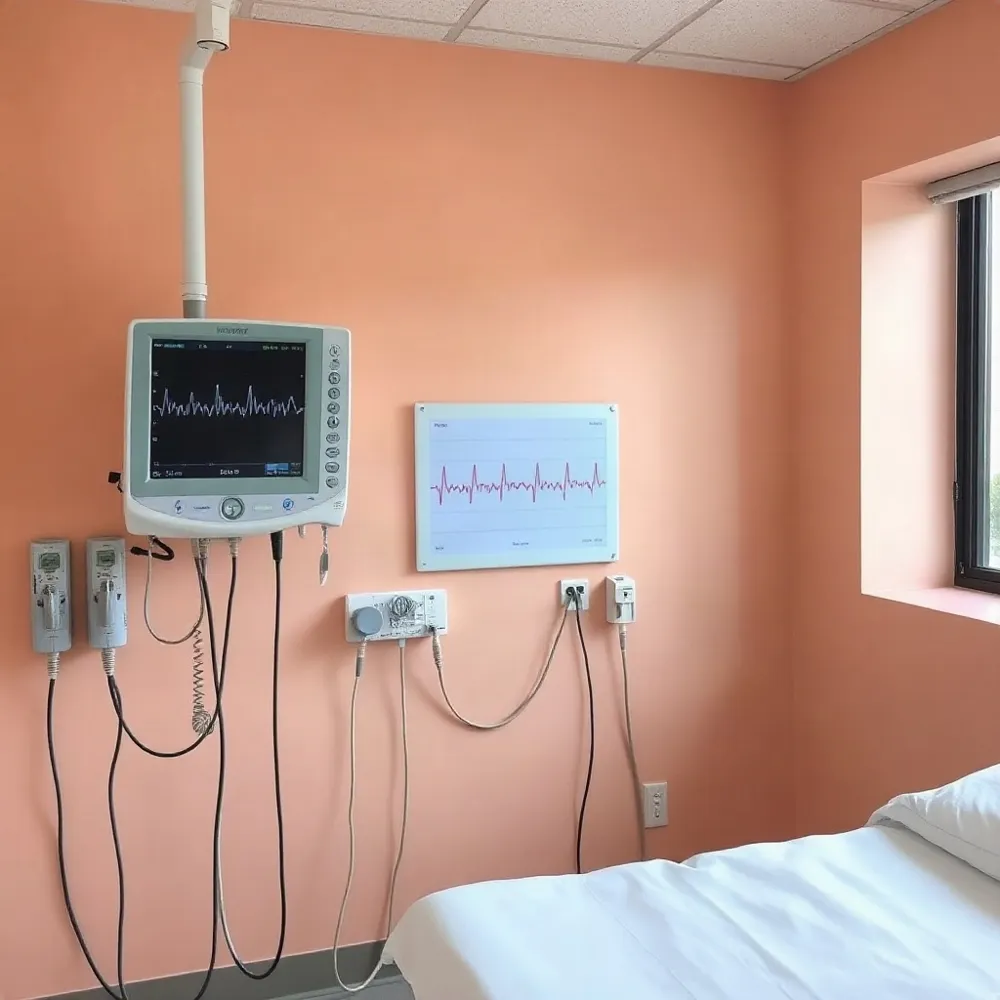 An electrocardiogram (EKG or ECG) records the heart’s electrical activity, helping a clinician assess heart rate and rhythm. It may be recommended when a child has symptoms, an unusual finding during an examination, a known or suspected heart condition, or a family history that raises concern. The pediatric cardiology testing guide explains how an EKG fits into a broader evaluation.
Signs worth discussing with your child’s healthcare provider include shortness of breath, tiring easily or struggling to keep up during activity, palpitations, chest discomfort, dizziness, or fainting. Infants may sweat or become unusually tired while feeding, feed poorly, or gain weight slowly. Swelling in the legs or abdomen is another reason to seek medical advice.
These symptoms can have many causes and do not necessarily mean a child has a heart problem. An EKG provides useful information about the heart’s electrical activity, but it does not diagnose every heart condition on its own. If symptoms persist, recur, or worry you, contact your child’s care team to discuss what evaluation may be appropriate.
Seek urgent medical attention if your child has severe symptoms, faints, or has trouble breathing. Call 911 for severe symptoms, fainting, or trouble breathing. Bluish or gray coloring around the lips or skin, particularly alongside breathing difficulty, also needs urgent attention.
At federalwaypediatrics.com, pediatric cardiology care is part of a specialized practice focused on infants, children, and adolescents. A clinician can consider a child’s symptoms and history when deciding whether an EKG or other testing is needed.
What the Test Measures and How It Works
 ECG and EKG mean the same thing: electrocardiogram. ECG follows the English spelling, while EKG reflects the German word Elektrokardiogramm. Both names describe a test that records the heart’s electrical signals, rather than a test that creates images of the heart.
For a standard ECG, a child lies still, usually on their back, while a clinician places small adhesive electrodes on the chest, arms, and legs. Wires connect the electrodes to a recording machine. The electrodes detect the heart’s electrical signals; they do not send electricity into the body. A standard ECG uses 10 electrodes to record 12 views, called leads. For a child younger than 5, a clinician may add a right-sided chest lead, V4R.
The recording is usually quick and painless, and a caregiver can generally stay nearby. Federal Way Pediatrics focuses on pediatric care, including pediatric cardiology testing, where a clinician can explain what an ECG can show and whether more evaluation is needed.
An ECG and an echocardiogram answer different questions. An ECG records electrical activity to assess heart rate and rhythm. An echocardiogram uses ultrasound to create moving images of the heart, helping clinicians examine its structure, chambers, valves, and pumping. Depending on a child’s symptoms and medical history, a clinician may recommend either test or both.
Preparing for the Appointment
 A calm explanation can help your child know what to expect. You might say that an ECG records the heart’s electrical activity using small sticky sensors on the skin, and that the test does not hurt. Children usually need to lie still for a few minutes while the recording is made.
Choose clothing that is easy to remove or adjust so the care team can reach the chest. Avoid putting lotion, oil, or powder on your child’s skin that day, since these products can interfere with electrode contact. For more appointment preparation tips, see Preparing for your scheduled clinical appointment.
Reassure your child that you can usually stay nearby during the test. A favorite small comfort item or a few slow breaths together may help them feel settled and remain still. If your child has sensitive skin or you are unsure what to bring, ask the clinic about its instructions before the appointment.
The ECG recording generally takes about 5 to 10 minutes, though check-in and placing the electrodes can make the visit longer. Results may be discussed during the visit or shared later, depending on the practice and who needs to interpret the tracing. Ask the care team how and when results will be provided, and follow any specific instructions from the clinic.
Making Sense of the Results
An ECG tracing is one part of a child’s heart assessment, not a diagnosis on its own. An unusual pattern may show a heart rate that is faster or slower than expected, an irregular rhythm, or signals that suggest an issue with electrical conduction or strain on the heart.
What looks unusual on an adult ECG may be normal in a child. Heart rate, electrical patterns, and some waveforms change as the heart grows, so clinicians interpret pediatric results using age-appropriate ranges rather than adult reference values.
A clinician considers the tracing alongside the child’s age, symptoms, medical history, and examination. For families reviewing pediatric diagnostic testing and what results mean, the practical takeaway is that a finding needs context: an unexpected result may be harmless, or it may call for closer assessment.
Depending on the pattern and the child’s overall picture, next steps may include repeating the ECG, using a monitor to record heart activity over time, or ordering an echocardiogram or another evaluation. The clinician can explain what a test may clarify and how results will guide follow-up.
Seek prompt medical advice if a child faints during exercise, has chest pain with activity, or experiences significant palpitations, even if an ECG appears normal. A single recording may not capture symptoms that happen intermittently, and the care team can decide whether further assessment is appropriate.
Partnering With Your Child’s Care Team
An EKG is one piece of your child’s heart assessment. The clinician considers the tracing alongside your child’s symptoms, medical and family history, and examination before discussing what it may mean.
At Federal Way Pediatrics, pediatric heart care includes explaining diagnostic tests and how results inform next steps. Ask why the EKG is recommended, what it can help show, when results are expected, and who will contact you about follow-up. If the results suggest further assessment, the care team can explain the options.