Why Lifestyle Matters
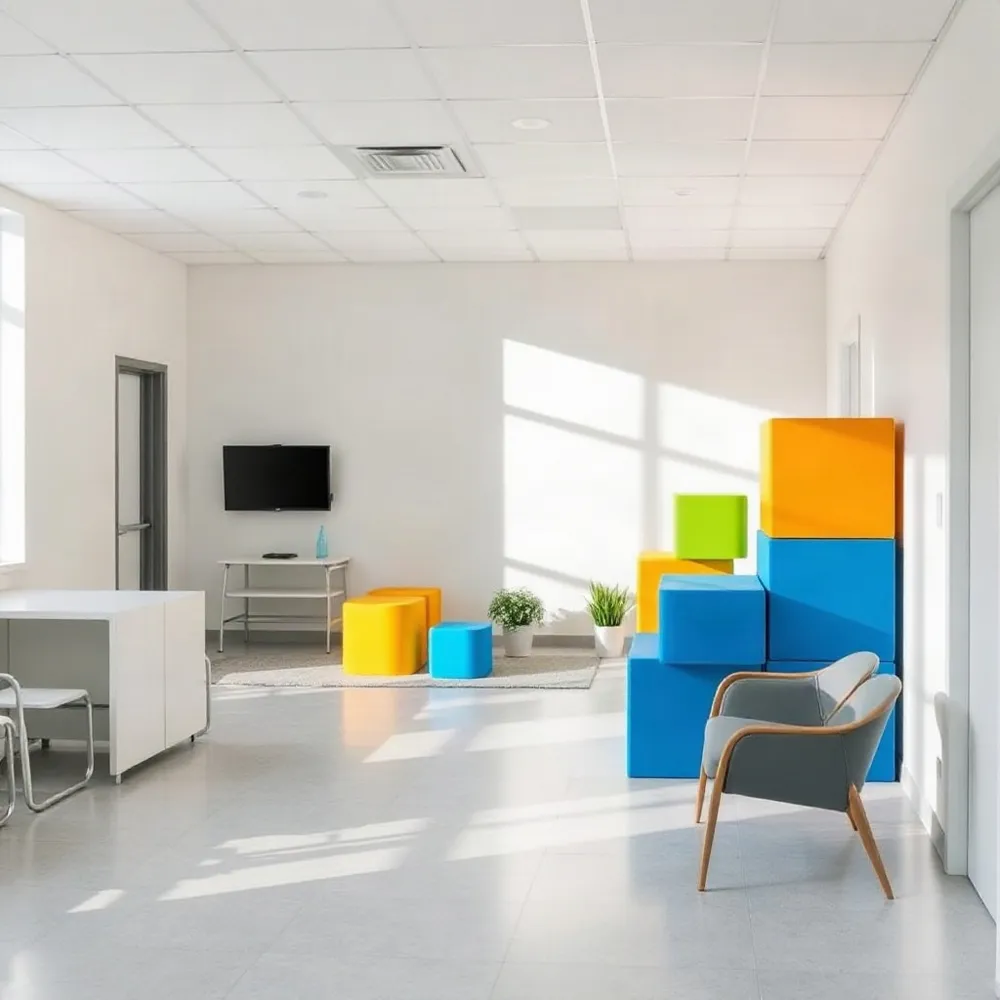
ADHD is a neurodevelopmental disorder with strong genetic roots; it is not caused by parenting style, but the home environment can intensify or lessen symptom severity. A clutter‑free, predictable setting reduces visual distractions and overstimulation, helping children focus on tasks such as homework or chores. Consistent daily routines—set wake‑up times, meals, study periods, and bedtime—provide structure that supports executive‑function skills and lowers anxiety. Visual schedules, labeled bins, and short, timed work intervals give concrete cues that children with ADHD can follow independently. By organizing space, limiting background noise, and incorporating regular movement breaks, families create a supportive backdrop that enhances attention, self‑esteem, and overall well‑being.
Establishing Structure and Routines
 A predictable daily schedule is the cornerstone of an ADHD‑friendly home. Use a visual daily board with color‑coded stickers for wake‑up, meals, homework, and bedtime; set phone or kitchen timers for each block to combat time blindness. Morning and bedtime routines should follow the same sequence each day—e.g., brush teeth, change clothes, a brief calming activity—so the child knows what to expect and can transition smoothly. Create clearly labeled zones: a quiet, low‑stimulus homework area, a play zone with sensory toys, and a “launch pad” near the entryway for shoes, backpacks, and keys.
I have no patience for my ADHD child – Acknowledge frustration, take brief reset moments (deep breathing, a short walk), and use one‑step instructions with visual schedules to reduce chaos. Prioritize self‑care and seek support from pediatric specialists or CHADD groups.
ADHD cleaning checklist PDF – Download a printable, color‑coded checklist (daily, weekly, monthly) from ADDitude or Etsy; it breaks chores into 5‑15‑minute tasks with checkboxes for easy tracking.
ADHD home adjustments checklist – Declutter and label bins, set up a visual routine board, use timers, create a quiet study zone, add fidget tools, and establish a launch‑pad for daily essentials.
ADHD home organization products – Opt for clear mesh bins, wall‑mounted hooks, magnetic calendars or white‑board planners, and a bedside shelf with cable clips to keep items visible and accessible.
ADHD house cleaning checklist – Break cleaning into tiny steps (make bed, clear dishes, wipe counters) daily; assign one focused chore per room weekly; incorporate 2‑minute movement breaks; reward completion with a small privilege.
Positive Behavior Management
 A predictable daily routine and an organized home set the stage for success. Use brief, clear commands, gain eye contact, and give immediate, specific praise—aim for at least five praises for every correction—to boost self‑esteem. Enroll in behavioral family therapy that includes parent‑training and consistent rules; visual schedules, timers, and labeled bins help the child know what to expect and where items belong. Avoid yelling, long lectures, or punitive measures that do not teach a skill; instead use natural consequences and reinforce desired actions. Tailor strategies by age: toddlers need simple routines and movement breaks, elementary‑age children benefit from visual checklists and school collaboration, and teens thrive on self‑advocacy and organizational tools. If a parent also has ADHD, seek treatment, use color‑coded charts and reminders, and lean on support groups such as CHADD. Home treatment combines routine, positive reinforcement, healthy sleep, nutrition, exercise, and coordinated care with pediatric specialists.
Nutrition and Lifestyle
 A balanced ADHD diet emphasizes protein (lean meats, fish, eggs, beans, dairy) paired with complex carbs (whole‑grain breads, oatmeal, fruits, vegetables) to stabilize blood sugar and support neurotransmitter production. Include omega‑3‑rich foods—salmon, sardines, fortified eggs, or a pediatric‑approved fish‑oil supplement—to improve attention and impulse control. Limit foods that trigger rapid glucose spikes or contain artificial additives: sugary drinks, candy, pastries, processed snacks, fast‑food meals, high‑fat meats, and caffeine‑rich beverages. For picky eaters, hide vegetables in smoothies, blend them into sauces, or top pizza with colorful veggie faces; involve kids in grocery trips and simple prep to increase acceptance. Simple meal ideas—scrambled eggs with avocado toast, turkey‑vegetable stir‑fry with brown rice, grilled salmon with sweet potatoes and broccoli—follow a "half‑veggies, quarter‑protein, quarter‑whole‑grain" rule. A printable PDF handout summarizing these recommendations is available on the Federal Way pediatric clinic website.
Physical Activity, Sleep, and Mindfulness
 Regular daily exercise—30‑60 minutes of aerobic activity such as biking, swimming, or brisk walks—provides a healthy outlet for excess energy, improves dopamine and norepinephrine levels, and enhances attention. Pair movement with short, scheduled breaks (5‑10 minutes) during homework or chores to prevent fatigue and sustain focus. Consistent sleep hygiene—fixed wake‑up and bedtime, a calming wind‑down routine, screen‑free time at least one hour before bed, and a dark, quiet bedroom—supports the 9‑11 hours of restorative sleep children need for executive function. Mindfulness and relaxation techniques (deep‑breathing, guided imagery, or brief yoga) give children concrete tools to self‑regulate.
Natural ways to calm a hyper child – Combine omega‑3‑rich meals, adequate vitamin D/magnesium, daily aerobic activity, a predictable routine, limited evening screens, and short mindfulness pauses.
How to calm a child with ADHD in the classroom – Use clear, brief instructions, break tasks into steps, provide a quiet “calm‑down” spot or brief sensory break, offer immediate positive reinforcement, and collaborate on a personalized behavior plan.
How to help a child with ADHD calm down – Reduce sensory overload, cue a simple breathing or grounding exercise, give a brief structured movement break, and praise the use of the strategy.
How to deal with a hyperactive child at home – Establish a predictable daily schedule, give specific praise and small rewards, give short step‑by‑step directions, schedule regular physical activity, limit screen time, and create a soothing “quiet corner.”
How to control a hyperactive child in school – Implement clear expectations, short movement breaks, a token‑reward system, step‑by‑step directions, and coordinate a 504/IEP with teachers while reinforcing organization at home.
School Success and Collaboration
 What is the 30% rule for ADHD kids? It notes that children with ADHD typically lag about 30 % (≈2‑3 years) behind peers in executive‑function skills, guiding realistic expectations and early intervention.
What is 90% of ADHD caused by? Roughly 90 % of risk is genetic, with heritability estimates of 75‑91 % link.
How to help a child with ADHD in school? Coordinate classroom routines, use visual rewards, teach organizational skills, secure IEP/504 accommodations, and keep open communication with teachers and clinicians link.
How to help a child with ADHD in school without medication? Implement clear routines, visual reward systems, structured movement breaks, balanced nutrition (https://health.stonybrookmedicine.edu/lifestyle-tips-to-support-children-with-adhd-diet-sleep-and-play/), adequate sleep (https://www.cdc.gov/adhd/communication-resources/index.html), and formal 504/IEP accommodations link.
ADHD strategies for parents PDF** Free, evidence‑based guides such as the “ADHD Parent Survival Guide” and Boston Children’s Hospital’s “Practical Tips for Parents” are downloadable online.
Putting It All Together
Key takeaways: ADHD is not caused by parenting, but a structured home reduces symptom severity. Consistent routines, visual schedules, and labeled zones aid organization and time‑management. Positive reinforcement—praise, tokens, and “special time”—boosts self‑esteem and motivates desired behavior. Adequate sleep, balanced protein‑rich meals, limited screen time, and physical activity are essential lifestyle pillars. Early evaluation by a pediatrician, psychologist or psychiatrist guides treatment, while family therapy teaches management techniques. Resources and next steps: Join a CHADD support group and use their tip sheets. Consult your child’s pediatrician to build a team, including a behavioral therapist and a cardiology review. Refer to books such as “Taking Charge of ADHD” and websites like CHADD.org and the National Resource Center on ADHD for guidance.